


Quite frankly, back in television’s heyday, the best TV shows were events that we actually attended. Entire streets fell silent, pubs emptied early, and children were dispatched to bed with military precision because the grown-ups were watching something “important” like the TV premiere of a James Bond movie. Back then, families arranged their evenings around the television rather than expecting the television to arrange itself around them.
Prehistoric giants
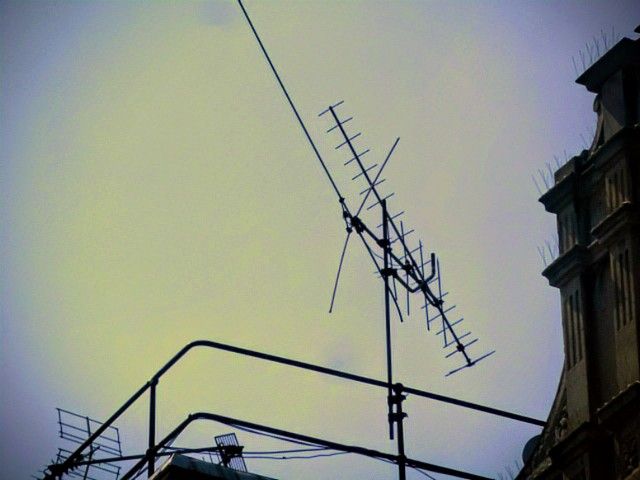
I know, this sounds somewhat prehistoric now. It’s a bit like describing a world where neanderthals milked mammoths. But for roughly 40 years, from the late 1960s to the early 2000s, television ruled households. Back in those days, there weren’t five hundred channels, thirty-seven streaming platforms and an algorithm insisting that you’d quite enjoy a Korean drama about squid farming.
In the UK, we had giants. The BBC, ITV, and later Channel 4 weren’t simply broadcasters; they were institutions. They produced programmes that entered everyday culture. Watching sitcoms became a family ritual; nature documentaries such as David Attenborough’s “Life on Earth” became groundbreaking events. Saturday evenings belonged to glitter, game shows and entertainment that appealed to grandparents, parents and children simultaneously.
Across the Atlantic, America was no different. Great networks produced shows that drew audiences that today’s broadcasters can only dream about. Millions would watch the same programme on the same evening; there was no pause button, no catch-up and no binge-watching. Miss it, and you have to wait for the repeat. Scarcity made television valuable.
Evolution
So, I don’t think that TV audiences simply disappeared; they fragmented. Instead of having twenty million people watching one programme, two million watched BBC1, another million watched something else, and several million more would stare at cats playing pianos on YouTube.
The economics have changed too. Once upon a time, broadcasters could spend fortunes on spectacular productions because huge audiences guaranteed advertising revenue or licence-fee justification. Today, as we’ve seen, audiences are scattered across multiple platforms. The advertising follows the viewers, and the money follows the advertising.
The culture shift
There’s another problem, too. Modern television executives often feel frightened. They’re frightened of offending, frightened of taking risks and even more frightened of commissioning something eccentric that might fail spectacularly. Ironically, many of yesteryear’s classics only exist because someone once actually took a ridiculous gamble. Shows like Fawlty Towers, for instance. Admittedly, some of it would be considered to be a bit taboo these days. I mean, how dare John Cleese and Connie Booth stereotype the good people of Barcelona by creating Manuel’s hilarious character? As for “not mentioning the war?” That little gag is enough to annoy far too many Germans these days.
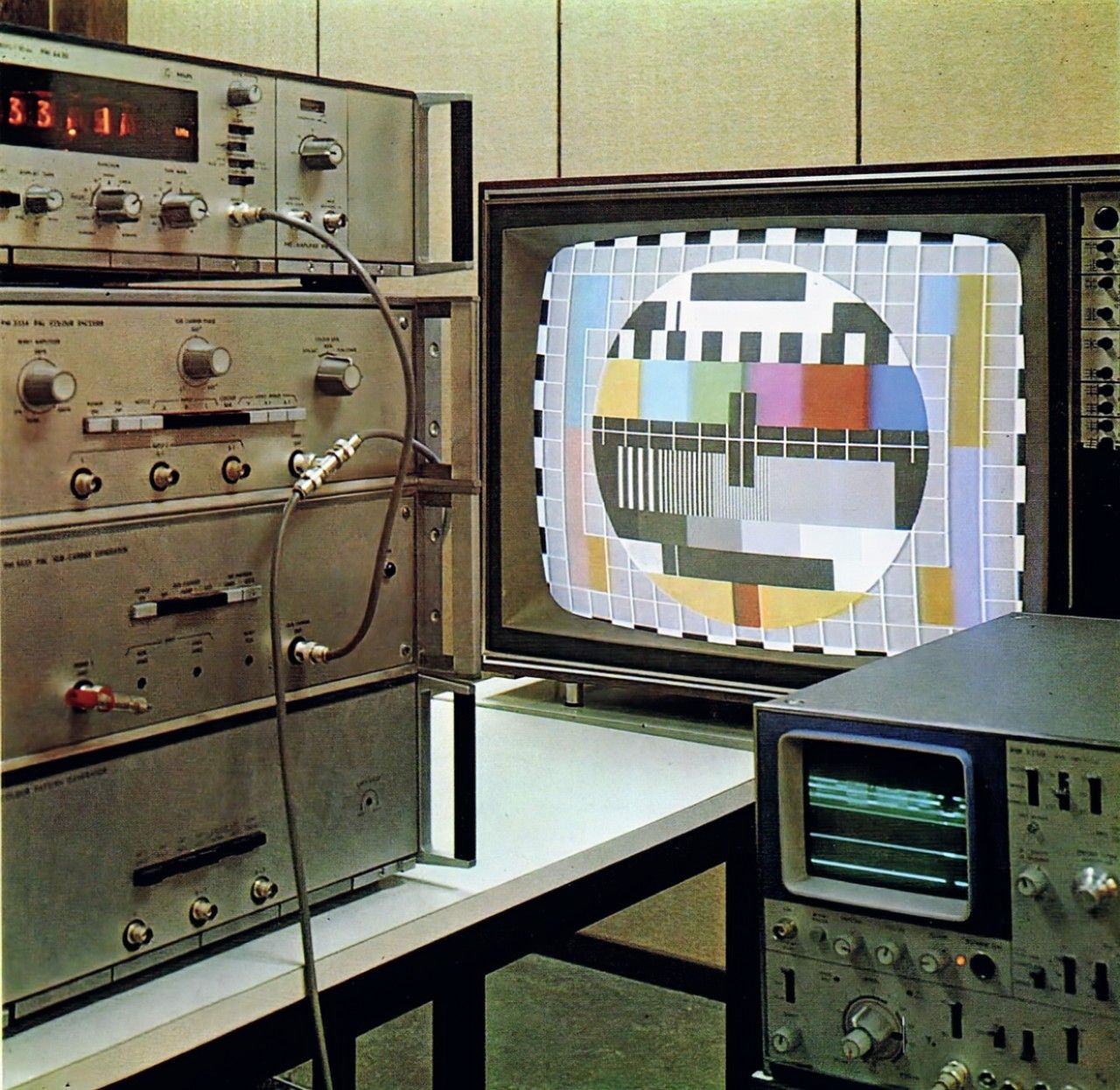
Meanwhile, the biggest cultural moments increasingly happen online. A YouTube documentary, a podcast interview or some anonymous live streams. Just add an independent creator with a camera and an opinion, and this can attract more viewers than any expensive television production can in today’s world. That’s extraordinary as well as being slightly terrifying, especially if you happen to be running a broadcasting company with thousands of employees and enough management meetings to bore any sane person to death.
Technology
The future probably belongs to broadcasters that understand they’re no longer TV channels. They’re content companies. Today, people don’t really care whether they watch content on a television, a laptop, a tablet or a smartphone. They simply want compelling stories.
Yet, the technology itself isn’t the point, but good storytelling is. It always has been. Because despite every prediction, humans still love laughing together, crying together and discussing what they watched the night before. The difference is that “the night before” might now involve twenty million people watching twenty million different things.
Perhaps that’s progress, or perhaps it’s fragmentation.
Whatever happens, the age of everyone watching the same programme at the same time has gone. But, television itself hasn’t died, it’s simply been demoted. It once proudly sat at the forefront of the entertainment world, but now it’s fighting for attention with phones, tablets, gaming consoles, podcasts and social media. I don’t think that’s a failure. It’s merely evolution.
A final note
For those of us who recall racing home to catch the opening titles of our favourite programme, or arguing in the office about last night’s episode of Dallas, it all brings home a certain nostalgia. Not just for the programmes but for the peculiar magic of knowing that, for an hour or so, an entire nation was watching exactly the same thing. In today’s endlessly personalised world, that may prove to have been television’s greatest gift.








 Portugal Handbook
 English
 Nederlands
 Deutsch
 Français
 Español
 Italiano
 Svenska
 Pусский
 中文
中文 Türkçe
 Português
 Czech
Czech Hungarian
 Polski
 عربي
عربي Suomi
Suomi עִברִית
 Português (Brasil)
Follow us on social media