

“Our reading is that the GNR is being used as a weapon to solve a problem that the Public Security Police have already put on the table several times,” ANOG president Tiago Silva told Lusa. The head of the association that represents GNR officers considered that there is “almost like an attempt” by the GNR, which is military in nature, “to put the civil police in order”.
“This is basically turning one police force against the other,” he emphasised, adding: “We are being used as a weapon, as if to say, the police don’t comply, the GNR will comply.”
“We don’t want to take any kind of opportunity to say that we are more capable or less capable, so it’s not a question of evaluating the difficulties that the PSP has had and has mentioned in the context of the airport, but we cannot be used either,” he said, recalling that in the GNR the lack of personnel “is also glaring”.
Emphasising the competences of the National Republican Guard in border control, particularly at maritime level, and the work carried out within the scope of the European border control agency Frontex, the president of ANOG clarified that the GNR “has always been at the airport” since the days of the tax guard.
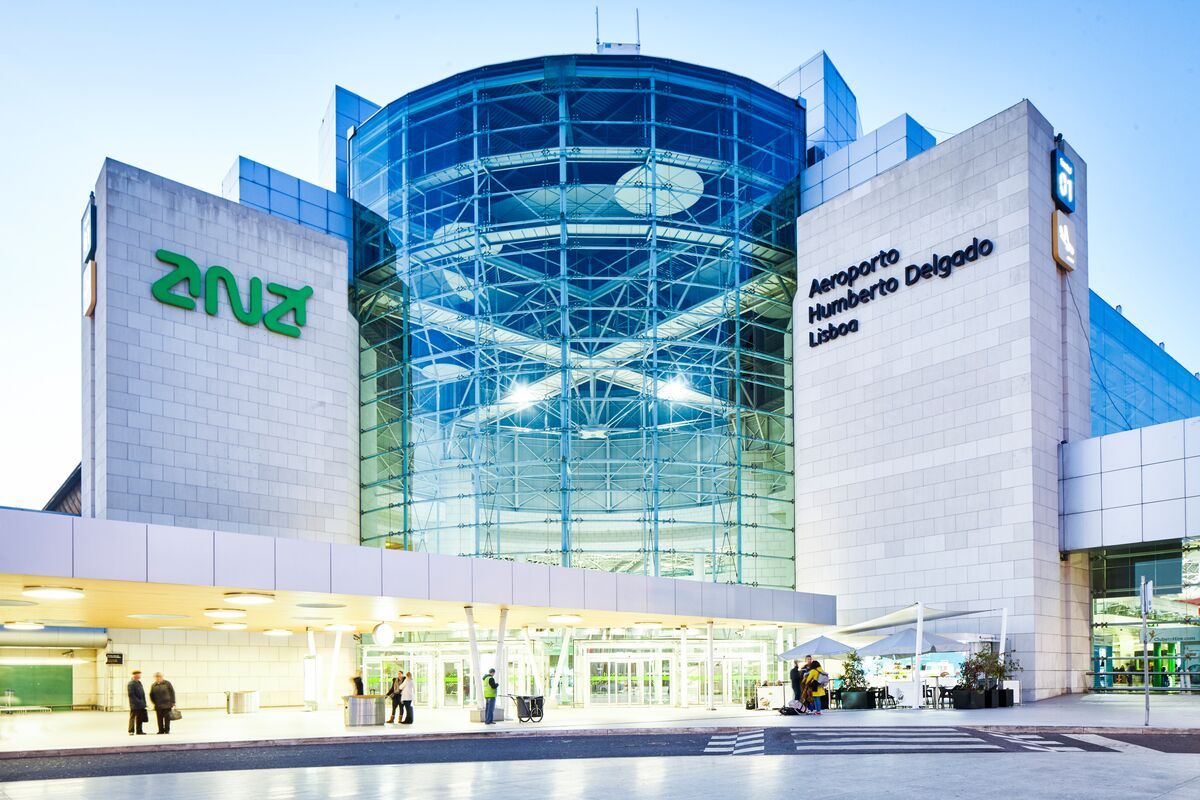
On Tuesday, the government announced an immediate reinforcement of GNR soldiers as a contingency measure at Lisbon’s Humberto Delgado Airport to reduce waiting times in the arrivals area. The GNR told Lusa that Lisbon airport will be reinforced with 24 soldiers trained as border guards from next Tuesday, who will work in “flexible shifts” made up of teams of 10 plus a supervisor.
These soldiers will work in the arrivals area to check documentation. Another measure to reduce queues was the immediate suspension of the European border control system for non-EU citizens, known as the European Union’s Entry/Exit System (EES), for three months at Lisbon airport, and the European Commission has already said that it will ask Portugal for “more details” about this interruption.
The president of ANOG considered that this suspension “could jeopardise national security”, arguing that, for this reason, “the political consequences should be drawn”. As an example, he said, “this lack of supervision and tighter control” could be taken advantage of by organised crime or terrorist networks or other types of crime.






 English
 Nederlands
 Deutsch
 Français
 Español
 Italiano
 Svenska
 Pусский
 中文
中文 Türkçe
 Português
 Polski
 عربي
عربي Suomi
Suomi עִברִית
 Português (Brasil)
Well at least they are doing something.
They certainly did not bother enforcing the rulesof combatting bad behavior in Albufeira.
New rules=Lip Service.
SOS
By j from Algarve on 05 Jan 2026, 16:19