



According to the International Continence Society, urinary incontinence affects around half of all women and is defined as any involuntary loss of urine. Although rarely discussed, it is a widespread condition that can significantly impact a woman’s quality of life.
There are several forms of urinary incontinence, with the two most common being stress incontinence and urge incontinence, also known as Overactive Bladder (OAB). In stress incontinence, leakage occurs during activities such as coughing, sneezing, laughing, jumping, or physical effort. OAB, on the other hand, is characterised by a sudden and urgent need to urinate that is difficult to control, with or without leakage, often described as: “I couldn’t reach the toilet in time.”
Many women limit activities they enjoy for fear of leakage, avoid social situations, and may even withdraw from intimacy. Feelings of shame and lack of awareness mean that only about 25% of women experiencing symptoms seek medical help, often assuming it to be “normal after childbirth” or “a part of getting older.”
The causes of urinary incontinence vary and may include pregnancy and childbirth, excess weight, menopause and hormonal changes, constipation, pelvic surgery, and the natural ageing of tissues. However, it is important to emphasise that effective treatment is available.
Initial management typically involves conservative, evidence-based interventions, without the need for surgery or medication. Gynaecologists play a key role in diagnosis, identifying the type of incontinence, excluding other underlying causes, and recommending appropriate treatment when necessary.
Pelvic floor physiotherapy remains the first-line approach, focusing on strengthening the pelvic floor muscles through specific exercises to improve bladder control. Bladder training also helps reduce urinary frequency and manage urgency more effectively.
An individualised assessment is vital for successful treatment. Many women have heard about “Kegel exercises” or may have tried them without improvement, often because they were not adapted to their individual needs.
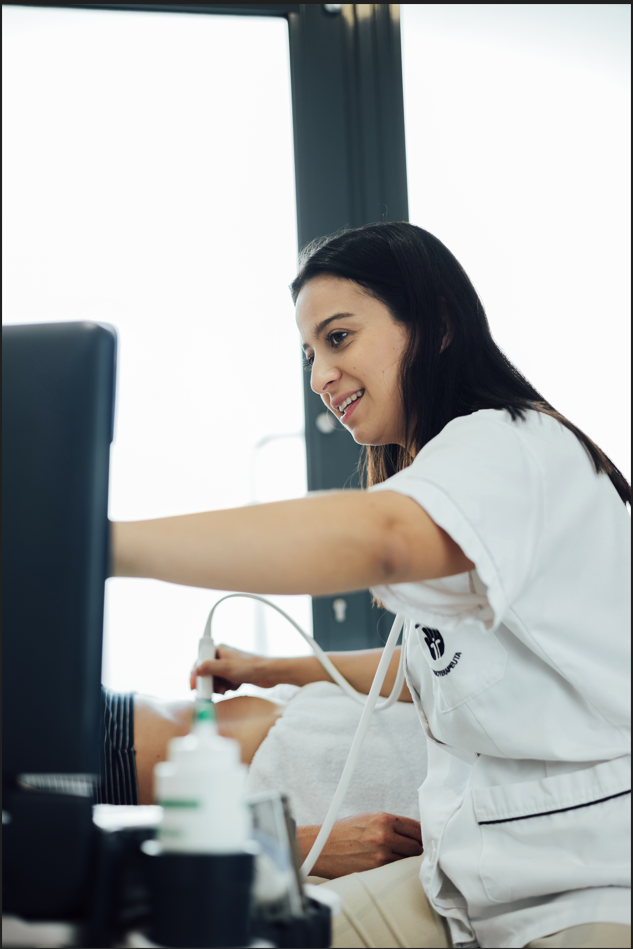
Modern physiotherapy incorporates advanced technologies such as functional ultrasound (to visualise muscle movement in real time), biofeedback and electrostimulation (to optimise muscle activation), and diathermy, which enhances circulation, tissue regeneration, and elasticity. These tools increase motivation, improve body awareness, and accelerate recovery.
Physiotherapy should be complemented by nutritional and psychological support. A nutritionist can assist with weight management, identify bladder irritants (such as coffee, alcohol, fizzy drinks, and spicy foods), and treat constipation. Meanwhile, psychotherapy can address emotional factors, anxiety, or embarrassment associated with incontinence, helping women regain confidence and mental well-being.
A multidisciplinary approach, involving a doctor, physiotherapist, nutritionist, and psychotherapist — ensures the best outcome for each individual. Through this comprehensive care, countless women have regained comfort, confidence, and freedom, returning to exercise, travel, social life, and intimacy without fear or restriction.
Talking openly about urinary incontinence is the first step towards reclaiming your quality of life. Don’t let embarrassment prevent you from seeking help. At Clínica Medin in Lagoa, professional support is available to help you feel confident, comfortable, and in control once again.

About Inês Martins
Inês Martins is a physiotherapist specialising in pelvic health, dedicated to the prevention and treatment of pelvic floor dysfunctions in women, men, and children. Based in the Algarve, she is part of the multidisciplinary team at Medin Clinic.
Holding a Master’s degree in Physiotherapy in Women’s Health, Inês combines clinical expertise with compassion and an evidence-based approach. She integrates Clinical Pilates and advanced technologies such as ultrasound, biofeedback, electrostimulation, and diathermy to provide personalised, effective care for each patient.

About Dr Felix Bartzsch
Dr Felix Bartzsch is a board-certified gynaecologist with over 25 years of professional experience in the field of gynaecology, urogynaecology, gynaecological surgery and gynaecological oncology. He brings extensive international expertise, having held senior positions in Germany before practising in Portugal.
His areas of specialisation include minimally invasive surgical techniques, radical and conservative management of pelvic floor disorders, prolapse and urinary incontinence, as well as advanced treatment of gynaecological cancers.
For more information, please contact Clínica Medin on (+351) 282 039 033.






 English
 Nederlands
 Deutsch
 Français
 Español
 Italiano
 Svenska
 Pусский
 中文
中文 Türkçe
 Português
 Polski
 عربي
عربي Suomi
Suomi עִברִית
 Português (Brasil)
When all else fails, there are Botox injections given every 4 - 6 months.
By Joe from USA on 21 Nov 2025, 11:57