

Last permits standing - why new tourism-ready properties are Lisbon's hottest asset
In Lisbon’s bustling property market, the ultimate prize isn’t just location - it’s a tourist rental licence. Alojamento Local (AL) permits, which allow owners to legally rent to short-term visitors, have become rare, lucrative and a built-in hedge against ever-tougher buy-to-let restrictions.
City authorities have frozen new AL registrations across historic neighbourhoods such as Alfama, Bairro Alto, Mouraria and most of the other prime central districts. This policy is important as it's designed to protect long-term tenants and preserve Lisbon’s cultural fabric, but it has also created some scarcity. Existing licences are now a “golden key,” unlocking income potential and resale premiums that newer buyers can no longer easily access.
The tension is clear: while restrictions safeguard residents, Lisbon’s economy still leans heavily on tourism. With demand for quality short-stay accommodation outpacing supply, properties carrying active licences - especially on a freehold basis - are now becoming one of the most resilient investment models in the city.
Tourist-licensed Developments: the premium edge
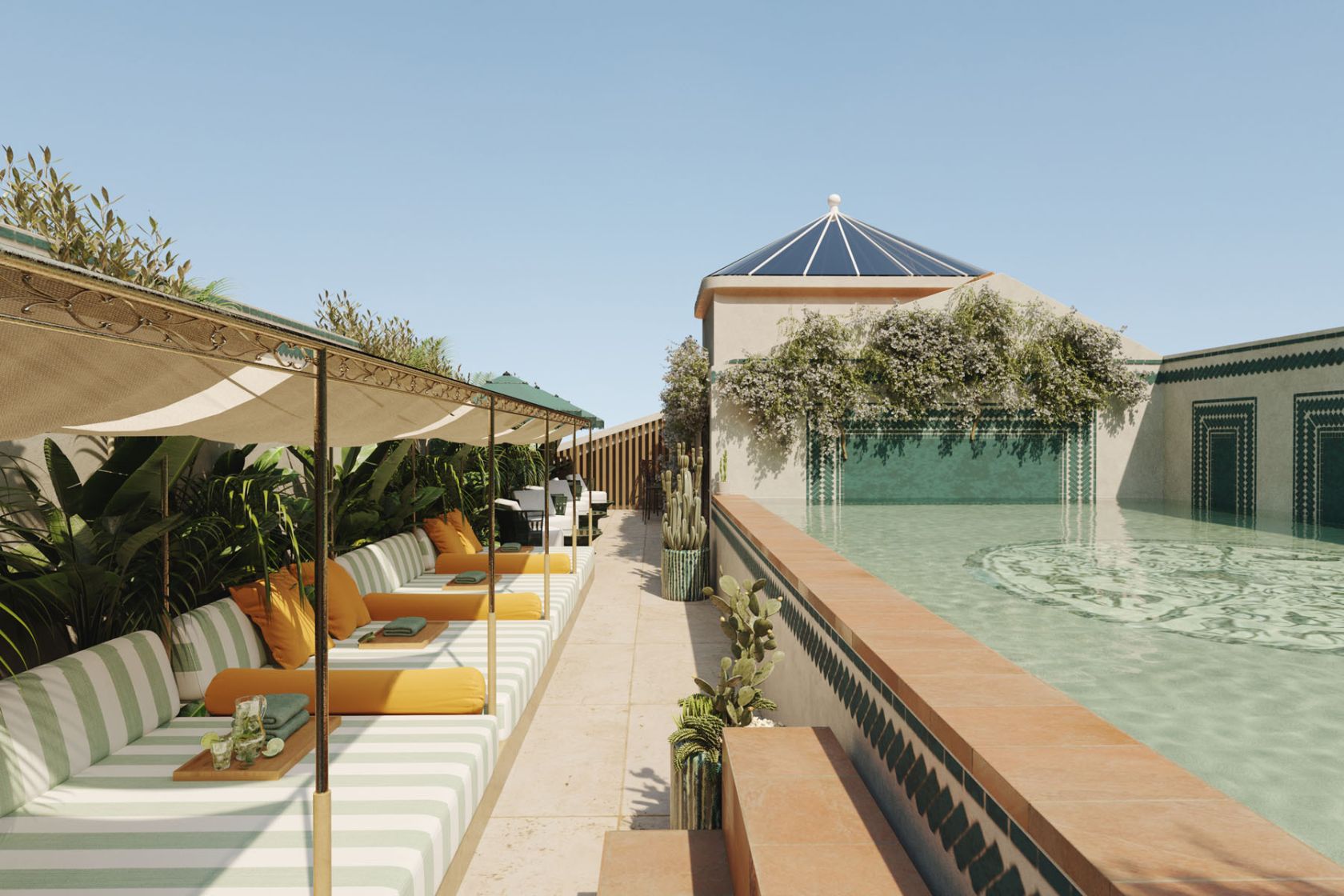
One of the most appealing opportunities for buyers is when a licensed apartment is located within developments with a tourist licence. In these cases, owners are not only able to rent legally, but also offer guests an excellent experience with access to hotel-style facilities such as a concierge, gym, pool, spa or housekeeping, that are each in keeping with the brand's level of service.
This combination significantly enhances the rental proposition, since visitors are often willing to pay a premium for the comfort of a private apartment with the convenience of full hotel services. For investors, it often means stronger occupancy, higher daily rates and the reassurance that professional management keeps standards consistently high.
“For investors, developments with a tourist licence remove two of the biggest worries: consistency and management. With professional teams in place to run the building, standards remain high, which is crucial in the short-term rental market. This means owners benefit from premium positioning without having to manage the day-to-day operations personally,” explains David Moura-George. "Some developments with tourist licences also allow owners to stay and use the facilities of other properties within the brand's network, be it across Europe or beyond."
Riding the tourism wave
The scale of the market explains why these licences matter. Tourism continues to grow: 2024 saw 31.6 million guests stay in Portugal, a rise of 5.2% on the previous year.
For an individual investor, a licence is the key that opens direct access to this flow of visitors.
Portugal’s tourist accommodation sector saw the average daily rate rise to €160.46, up 6.8% year-on-year, moving the country from 10th to 8th place among EU markets for pricing. Lisbon itself offers an attractive foundation for returns, recording a gross rental yield of 5.65% at the end of June.
Scarcity is the new luxury
Scarcity itself has become a benefit. Due to the increased restrictions, the number of new Local Accommodation (AL) registrations in Portugal plummeted in the first seven months of 2024, with just 4,146 licences requested between 1 January and 26 July, a 64% drop compared to the same period in 2023. Some municipalities, including Lisbon and Funchal, have even suspended new authorisations altogether. This means properties with licences are not just income-generating, they are scarce commodities in their own right.
As Athena Advisers General Manager David Moura-George notes: “Scarcity is now a defining feature of Lisbon’s property market. In neighbourhoods like Alfama, Bairro Alto or Castelo, a tourist licence has effectively become a second layer of value on top of the property itself. Buyers increasingly see it as a kind of currency – something that guarantees them access to Portugal’s booming tourism market at a time when entry is being restricted.”
Holiday when you want, profit when you don’t
One of the greatest attractions of a development with a tourist licence is the freedom it gives owners. Unlike long-term rental contracts that lock in tenants, a short-term tourist licence allows you to decide exactly when to use the property yourself and when to let it out.
Many international buyers choose to enjoy their residence for a few weeks or months each year and rent it for the remainder. This hybrid approach effectively means the property pays for itself while still offering a private retreat whenever you choose.
By renting during peak tourist months, when daily rates and occupancy surge, owners can generate significant income while retaining the lifestyle benefit of having a home in Portugal. In other words, the licence turns what could be an emotional purchase into an income-producing asset, balancing personal use with financial returns.
A strategic asset
Of course, the opportunity carries responsibilities. Properties must meet safety and insurance standards, be correctly registered and comply with local zoning rules. But for investors who manage these obligations carefully, the benefits are compelling: steady fixed income during regular months, powerful variable gains in the summer, enhanced resale prospects because of scarcity and the freedom to enjoy the property personally.
“Tourist licences in Portugal are more than permissions, they’re opportunities. In a market where tourism continues to thrive, supply is scarce and rental yields remain strong, the right property with the right licence can offer not only a wonderful place to stay but also a resilient, future-proof investment in one of Europe’s most vibrant real estate markets,” David Moura-George concludes.
Want to dive deeper into buy-to-let opportunities in Portugal? Watch the replay of our webinar on the topic: Unlocking Lisbon Buy to Let






 English
 Nederlands
 Deutsch
 Français
 Español
 Italiano
 Svenska
 Pусский
 中文
中文 Türkçe
 Português
 Polski
 عربي
عربي Suomi
Suomi עִברִית
 Português (Brasil)