


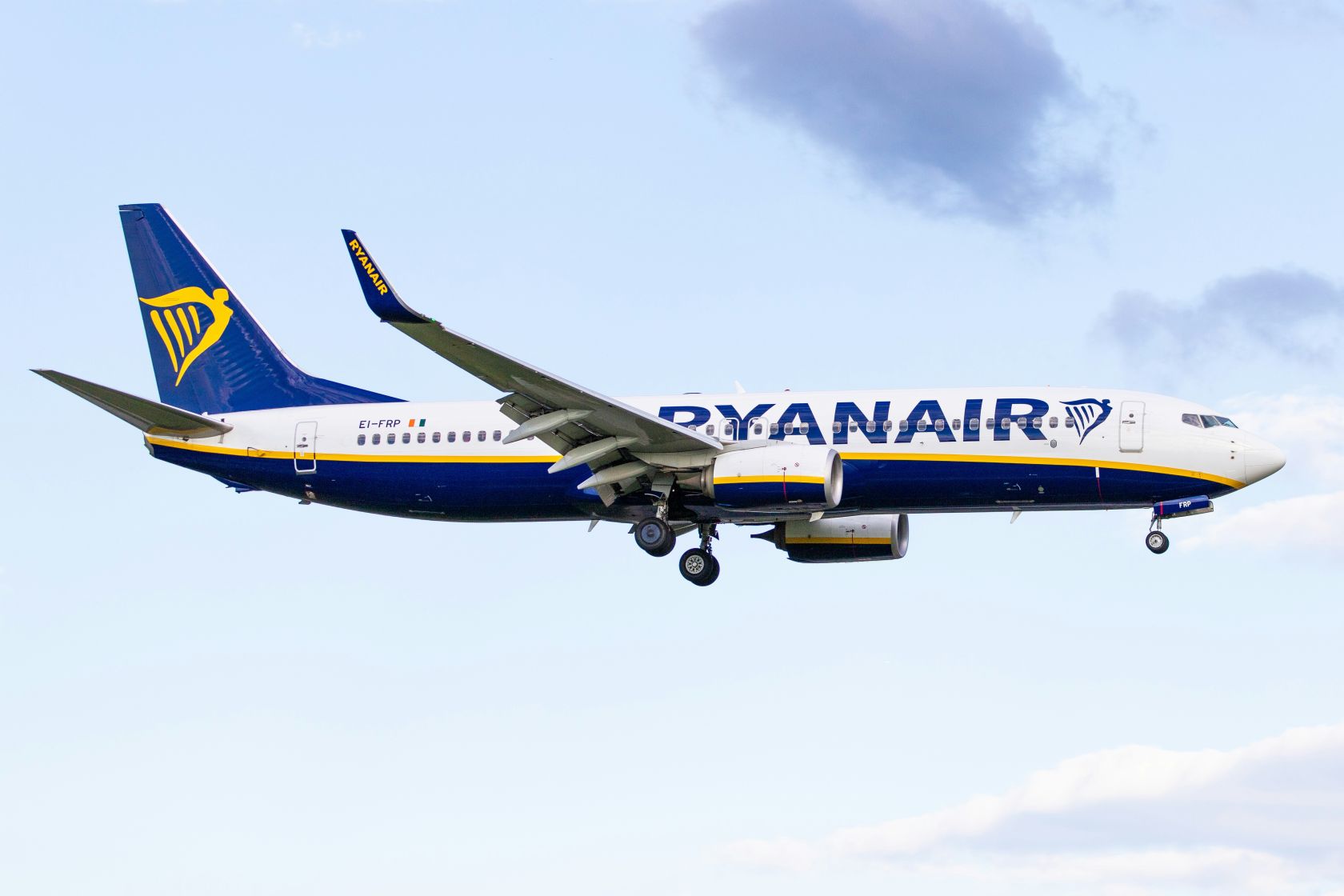
The company reported a 10% fare increase, reversing earlier price cuts, bringing the figure 40% higher than last year, driven by higher ticket prices and strong demand.
Europe's largest low-cost airline earned €15.5 billion in revenue from ticket sales and extras such as seat selection, baggage, and priority boarding.
Extras charged to passengers totalled nearly €5 billion, averaging €24 per user. Ryanair carried 208 million passengers, a 4% increase, showing that low-cost travel remains important for European families.
Operating costs reached €13.1 billion, reflecting higher airport fees, staff, and fuel costs.
Ryanair kept profit margins steady by increasing prices and using planes efficiently. Fuel hedging helped fix energy costs in advance, reducing market risks.
Passengers see higher fares, but Ryanair's large network and low base prices still attract customers. The final trip cost depends more on the extras chosen when booking.
Analysts say low-cost airlines have benefited as consumers choose shorter, cheaper trips within Europe and North Africa over long-haul travel.
Passenger numbers grew despite global delays in new aircraft deliveries, limiting fleet expansion.
Ryanair expects prices to change in line with demand and operational growth.
Though Ryanair gave no fare estimates, current trends suggest prices will stay high. The total travel cost depends on the booking timing and the extra services selected.








 Portugal Handbook
 English
 Nederlands
 Deutsch
 Français
 Español
 Italiano
 Svenska
 Pусский
 中文
中文 Türkçe
 Português
 Czech
Czech Hungarian
 Polski
 عربي
عربي Suomi
Suomi עִברִית
 Português (Brasil)
Follow us on social media