

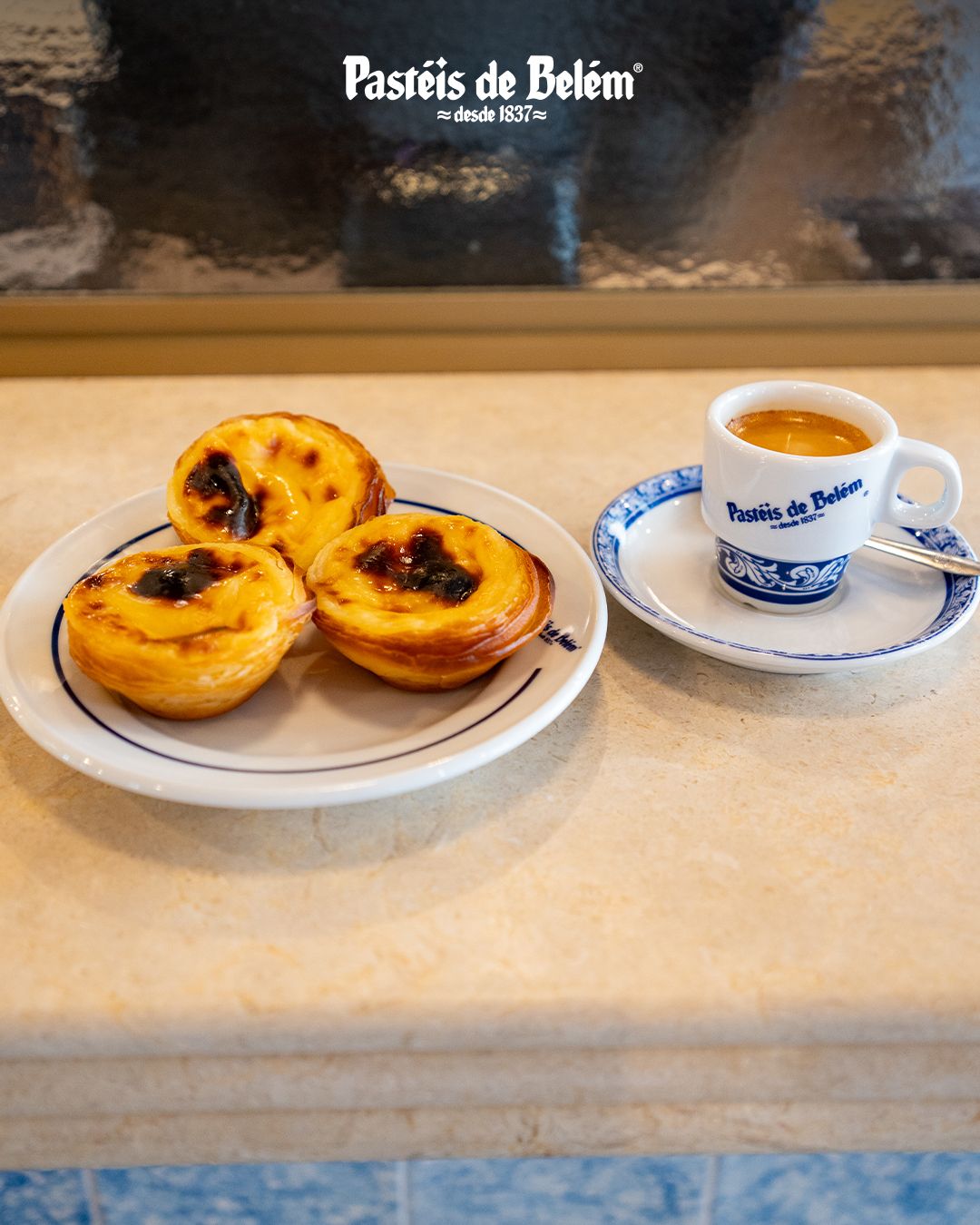
In the most recent list from Taste Atlas, a platform specialising in gastronomy, the Pastel de Belém has been chosen as the best traditional dessert in the world to try in 2026. It received a score of 4.59 out of 5, the same rating as the trigona panoramatos, a typical Greek pastry, with which it shares first place.
“Pastel de Belém is a traditional egg custard tart and a predecessor to the famous pastel de nata. The tarts are made with a pastry shell that's filled with a combination of milk, eggs, sugar, lemon, and cinnamon. The first recipe for pastel de Belém dates back to 1837 when it was produced by the monks of the Jerónimos monastery,” reads the Taste Atlas publication.
Right behind, in third place in the ranking, is the pastel de nata. The same list of 100 desserts also includes the bola de Berlim (27th), the travesseiro de Sintra (39th), the malassada dos Açores (60th), the jesuíta (91st), the pampilho (94th), the Tentúgal pastry (96th), and the Sintra cheese tart (99th). Regarding cakes, the highest-ranked is the Ovar sponge cake.
The Taste Atlas ranking, created in 2015 by Croatian journalist Matija Babić, is based on user reviews on the platform and social media, validated using artificial intelligence. The system calculates average scores and creates annual rankings of the best dishes and cuisines in the world.
Best sausage
In addition to sweets, Portuguese cured meats were also recognized. In a ranking published in early December, Mirandela's alheira sausage was chosen as the best sausage in the world, with a rating of 4.34 out of 5 stars.
“The filling of this traditional smoked delicacy is made by combining small pieces of meat and bread. This sausage is traditionally smoked with olive or oak wood, which gives it a unique flavor, aroma and color, further enhancing the taste of the spices. Mirandela's alheira contains beef and pork, along with fat, poultry, wheat bread, olive oil and lard, and is flavored and seasoned with salt, garlic and sweet or spicy paprika,” says the website.
Originating in Trás-os-Montes, Mirandela's alheira dates back to the 15th century, during the Inquisition. At that time, persecuted Jews and New Christians created an alternative to the consumption of pork—forbidden by the Jewish religion—using poultry, bread and fat. Over time, it began to be smoked, which enhanced the flavor and brought its appearance closer to that of traditional sausages.
In 2013, Mirandela's alheira received the Protected Designation of Origin (DOP) seal from the European Union, which recognizes and protects the artisanal production of this emblematic product of Portuguese gastronomy.






 English
 Nederlands
 Deutsch
 Français
 Español
 Italiano
 Svenska
 Pусский
 中文
中文 Türkçe
 Português
 Polski
 عربي
عربي Suomi
Suomi עִברִית
 Português (Brasil)