

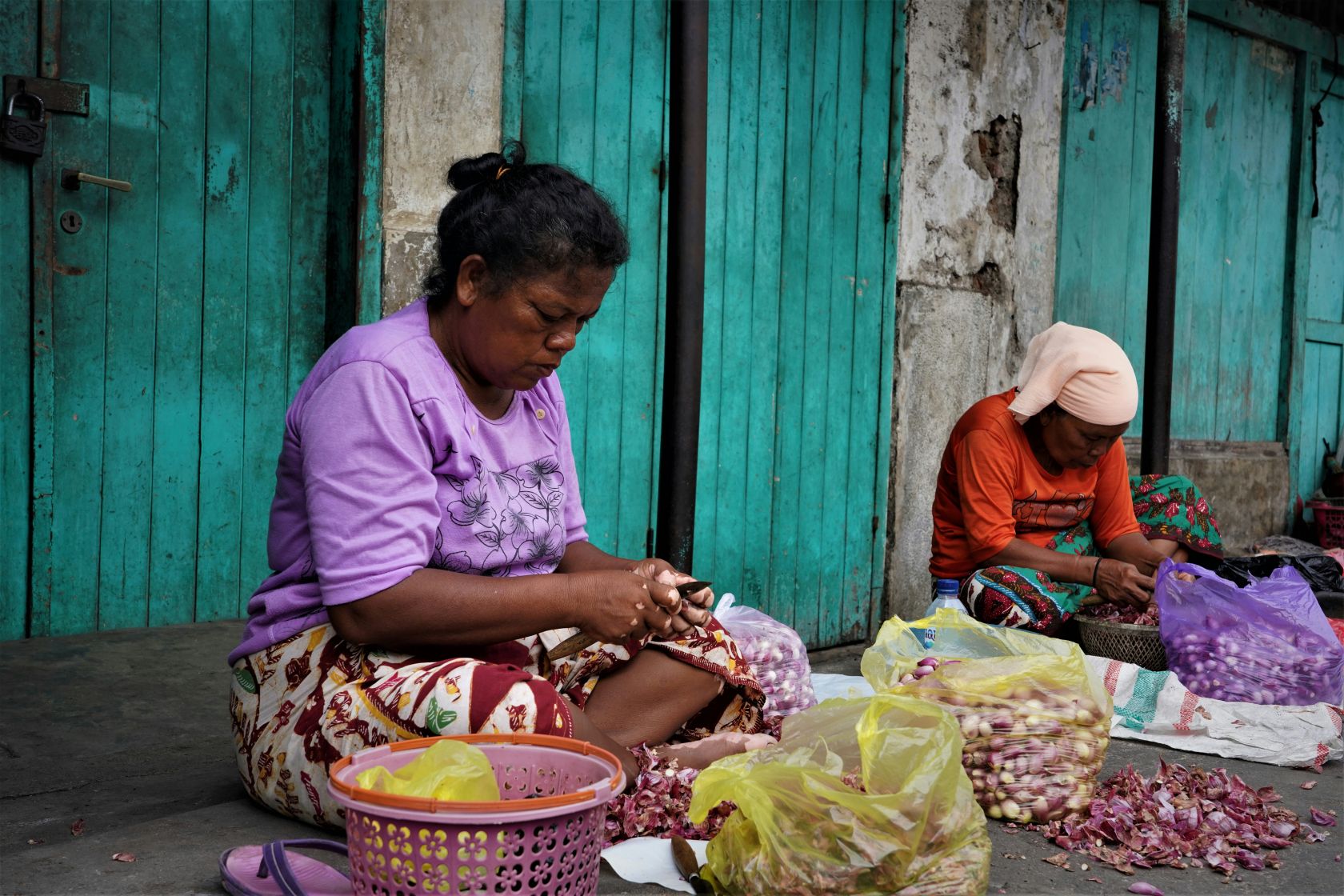
The legislation has granted millions of workers legal status, setting standards for wages, working hours and conditions. Advocates say it marks a major step for labour rights, particularly for women, while strengthening protections and formal recognition across a previously overlooked sector.
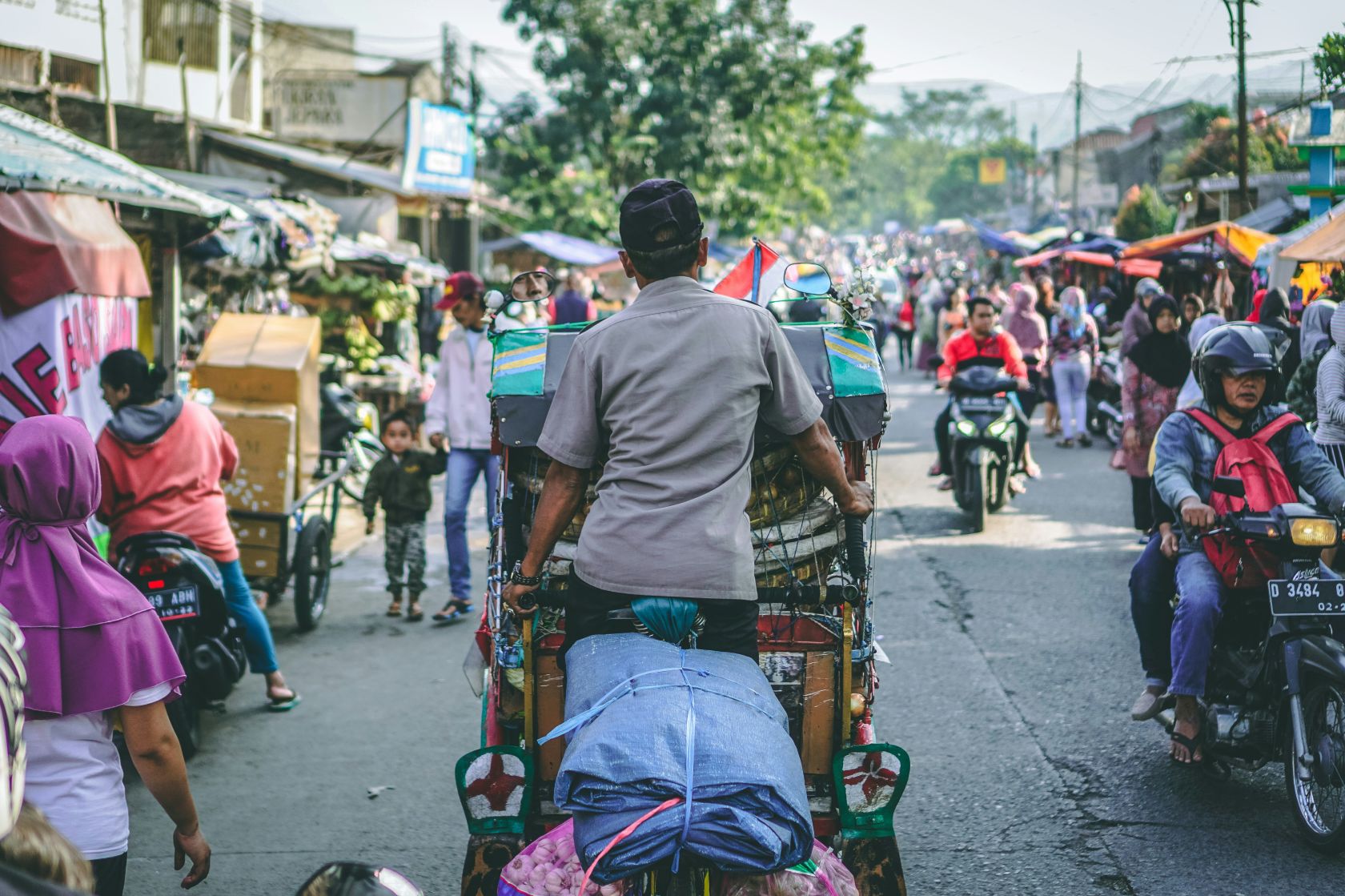
The country is home to around 4.2 million domestic workers, most of them women, many of whom have worked without formal protections. The new law is expected to improve oversight, reduce exploitation and support broader social and economic inclusion.






 English
 Nederlands
 Deutsch
 Français
 Español
 Italiano
 Svenska
 Pусский
 中文
中文 Türkçe
 Português
 Polski
 عربي
عربي Suomi
Suomi עִברִית
 Português (Brasil)