

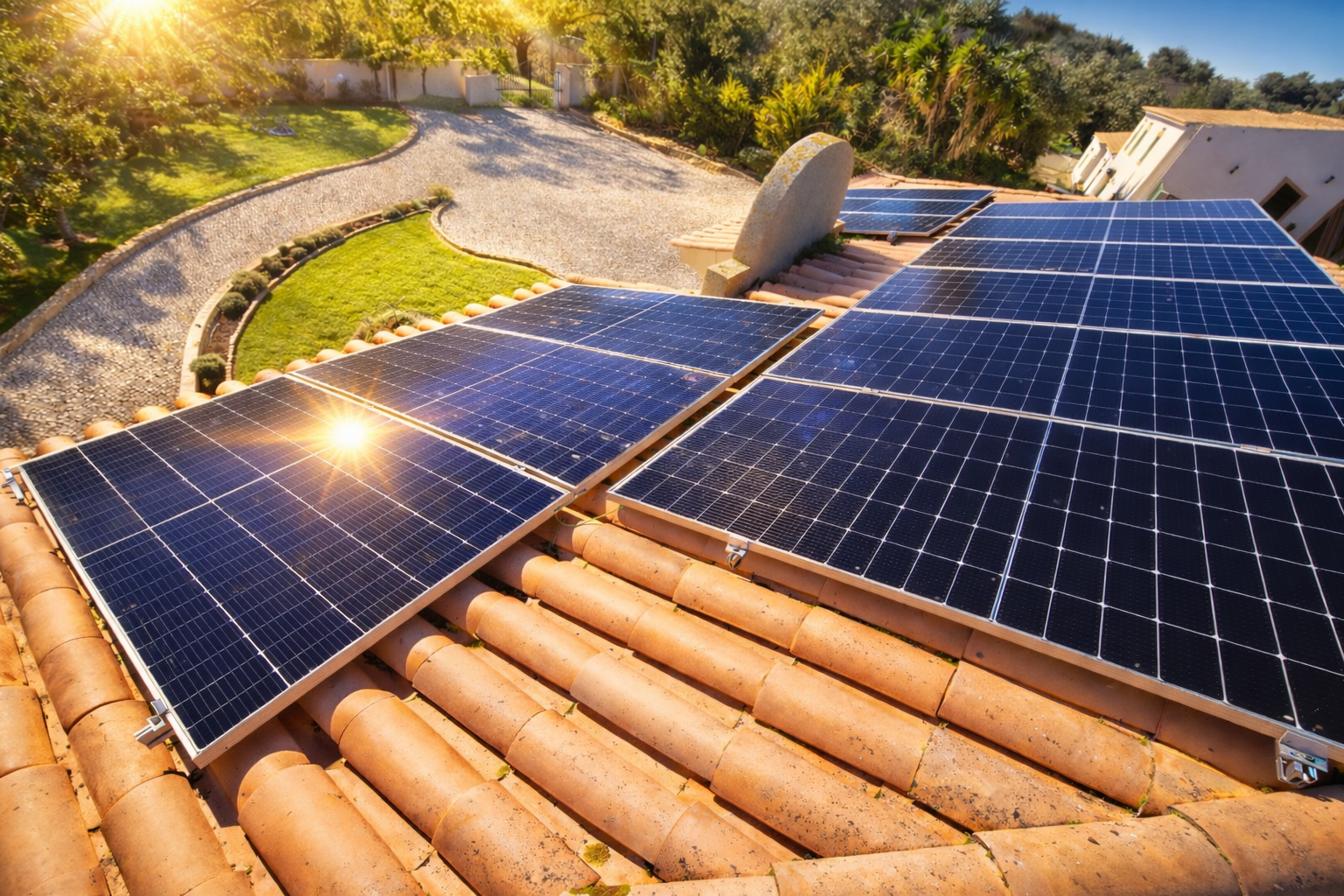
However, this vulnerability can be significantly reduced through the adoption of photovoltaic systems, especially when combined with energy storage solutions (batteries) and, additionally, backup systems that ensure continuity during critical moments.
While these solutions are widely used in homes connected to the public electricity grid, it is worth noting that a growing number of homeowners are choosing to live entirely off-grid. Nevertheless, this article focuses on solutions designed for properties with access to the conventional grid — still the reality for the vast majority of homes in the Algarve.
The first step towards a truly effective solution is understanding your energy consumption habits. Electricity bills are a valuable starting point, offering clear insights into when and how energy is used. In Portugal, consumption is typically divided into three tariff periods: off-peak (night-time, approximately 10 hours), and peak and shoulder periods (daytime, around 14 hours).
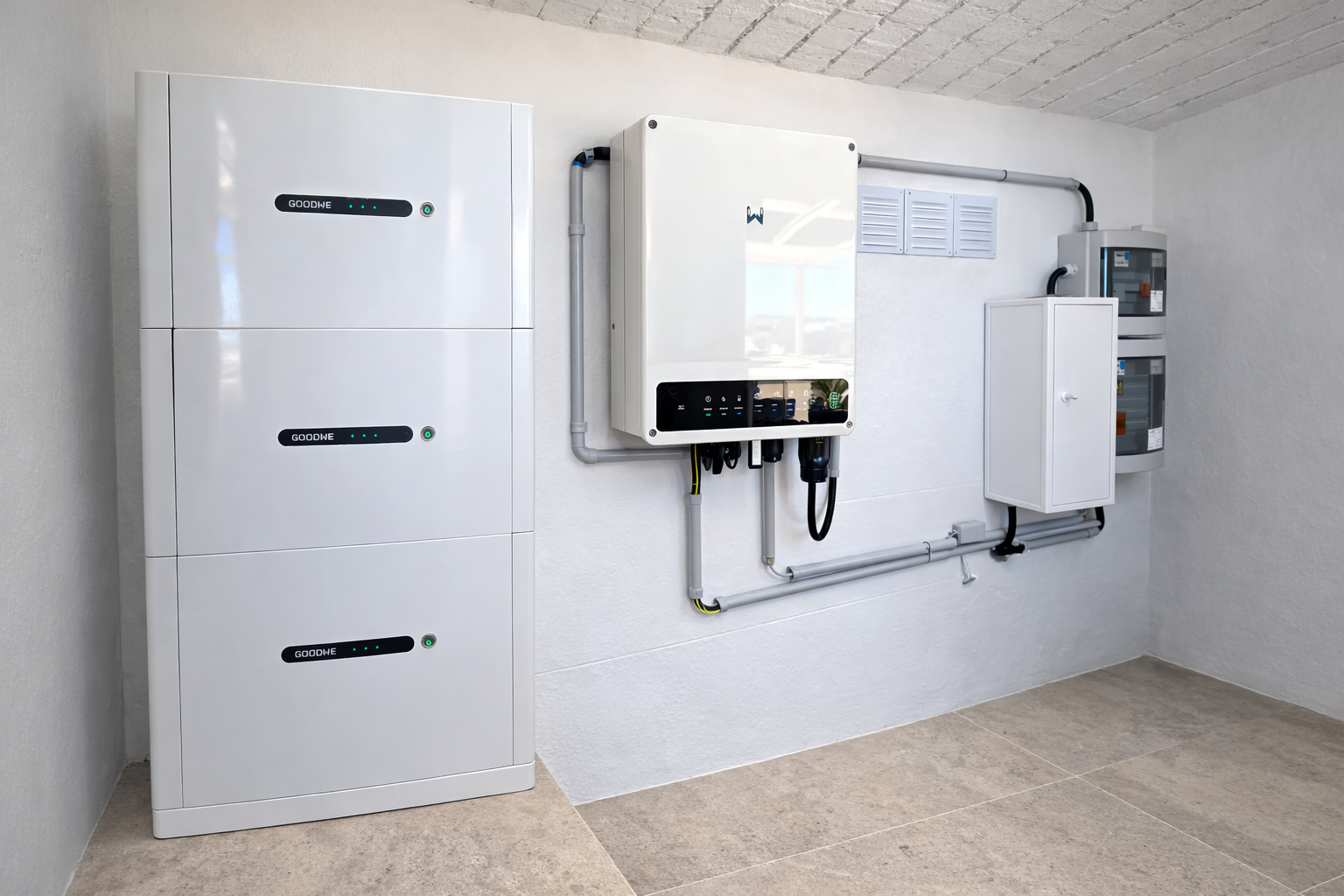
Based on this analysis, it becomes possible to accurately define the size of the system — including the number of photovoltaic panels, inverter capacity and battery storage. This process should always strike a balance between the real energy needs of the property and the expected return on investment (ROI), ensuring both efficiency and long-term financial sustainability.
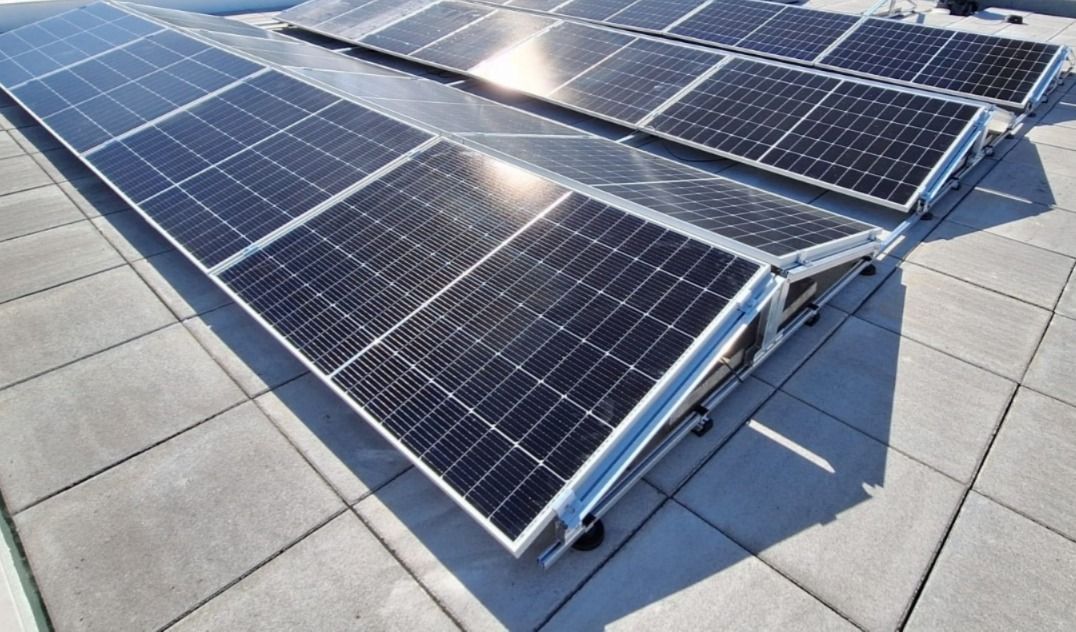
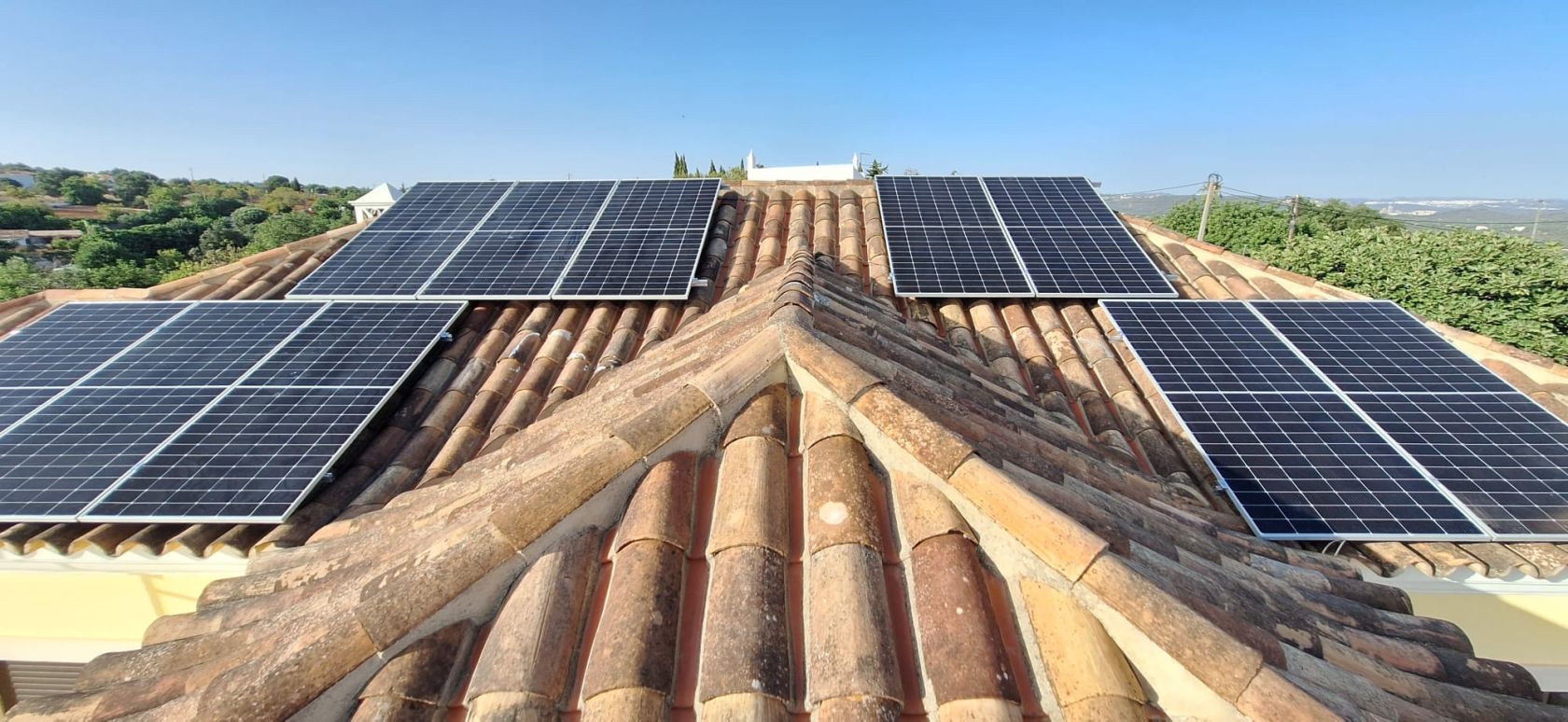
The foundation of any system lies in the photovoltaic panels, which generate energy in direct current (DC) throughout the day. Their design must consider not only consumption levels but also natural production variations between sunrise and sunset, as well as factors such as orientation, shading, battery needs and losses of production.
The inverter plays a central role in bringing the system together. In modern installations, a hybrid inverter is recommended, as it allows production, consumption and storage to be managed seamlessly. Ideally, its capacity should be slightly above the average energy demand of the property, without exceeding the contracted grid power — typically expressed in kVA on the electricity bill.
Battery storage is what enables a meaningful step towards energy independence. By storing surplus energy produced during the day, it can be used at night or during periods of higher demand. As a general guideline, battery capacity should cover between 60% and 80% of night-time consumption, achieving a practical balance between investment and performance.
Increasingly, backup systems are becoming a key consideration. In essence, they provide the ability to maintain power supply during a grid outage — a feature that is particularly valued by homeowners seeking comfort, security and continuity. Implementing such a solution requires verifying the readiness of the existing electrical installation and carefully selecting which circuits should remain operational, such as lighting, refrigeration, internet and security systems.
Finally, one of the most overlooked yet critical aspects is post-installation support. An energy system should not be seen as static — it must be monitored, refined and optimised over time. As consumption patterns evolve, continuous analysis allows for adjustments that improve performance and maximise return on investment.
It is precisely in this ongoing support — before, during and after installation — that the real difference lies between a standard solution and a thoughtfully designed energy system.
For homeowners in the Algarve looking to reduce costs, improve efficiency and gain greater control over their energy, the right system begins with the right guidance.
Isa Conceição, CEO of Soren – Renewable Energy Consulting, based in Al-Sakia Village, together with her team supports homeowners and small businesses across Portugal in finding tailored renewable energy solutions.
+351 917 770 107 | info@soren.pt | www.soren.pt






 English
 Nederlands
 Deutsch
 Français
 Español
 Italiano
 Svenska
 Pусский
 中文
中文 Türkçe
 Português
 Polski
 عربي
عربي Suomi
Suomi עִברִית
 Português (Brasil)