

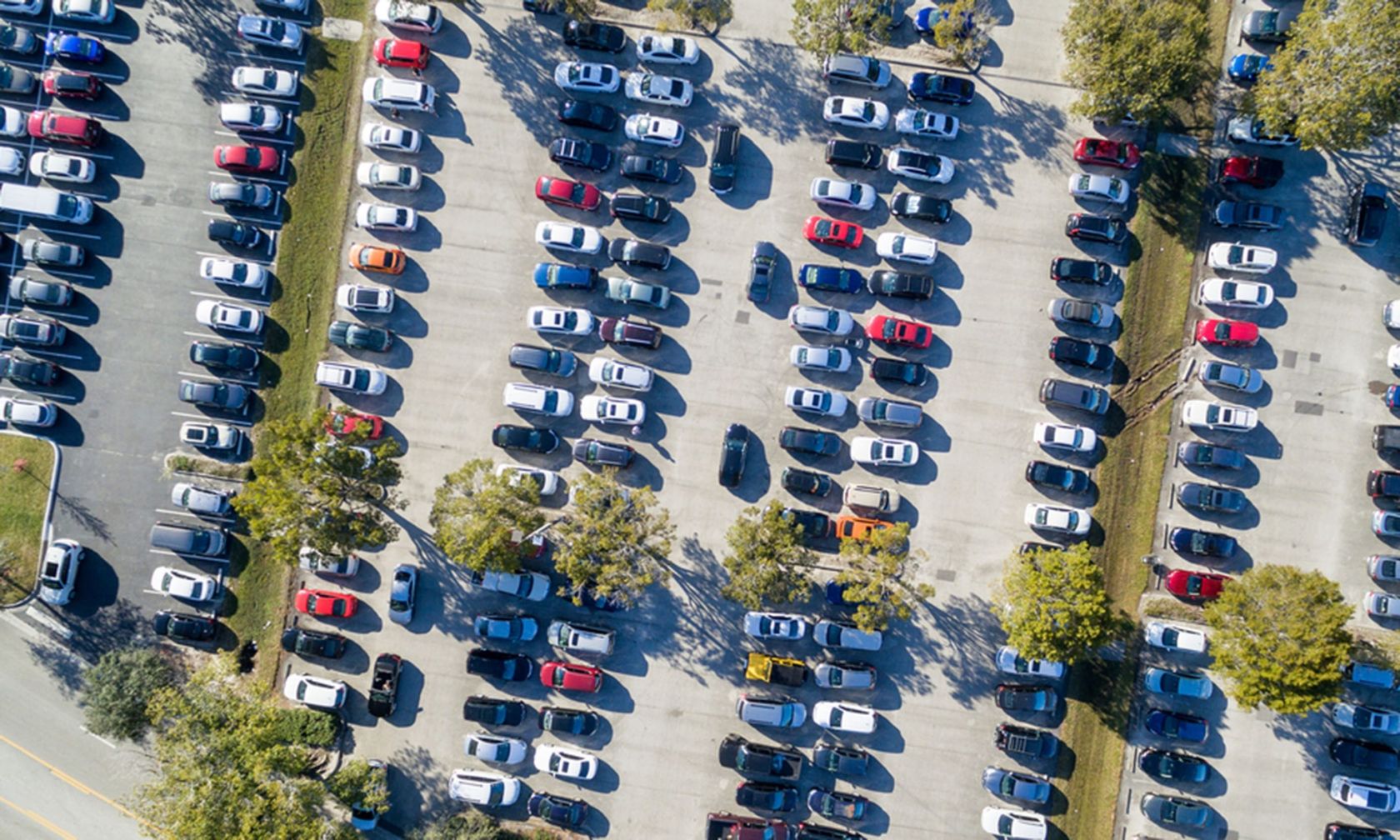
Of course, reversing sensors have been equipped on cars for a number of years, but they’ve become more complex as time has gone on. Today, you can find multiple sensors dotted across the outside of a vehicle, providing full coverage of the area around the car.
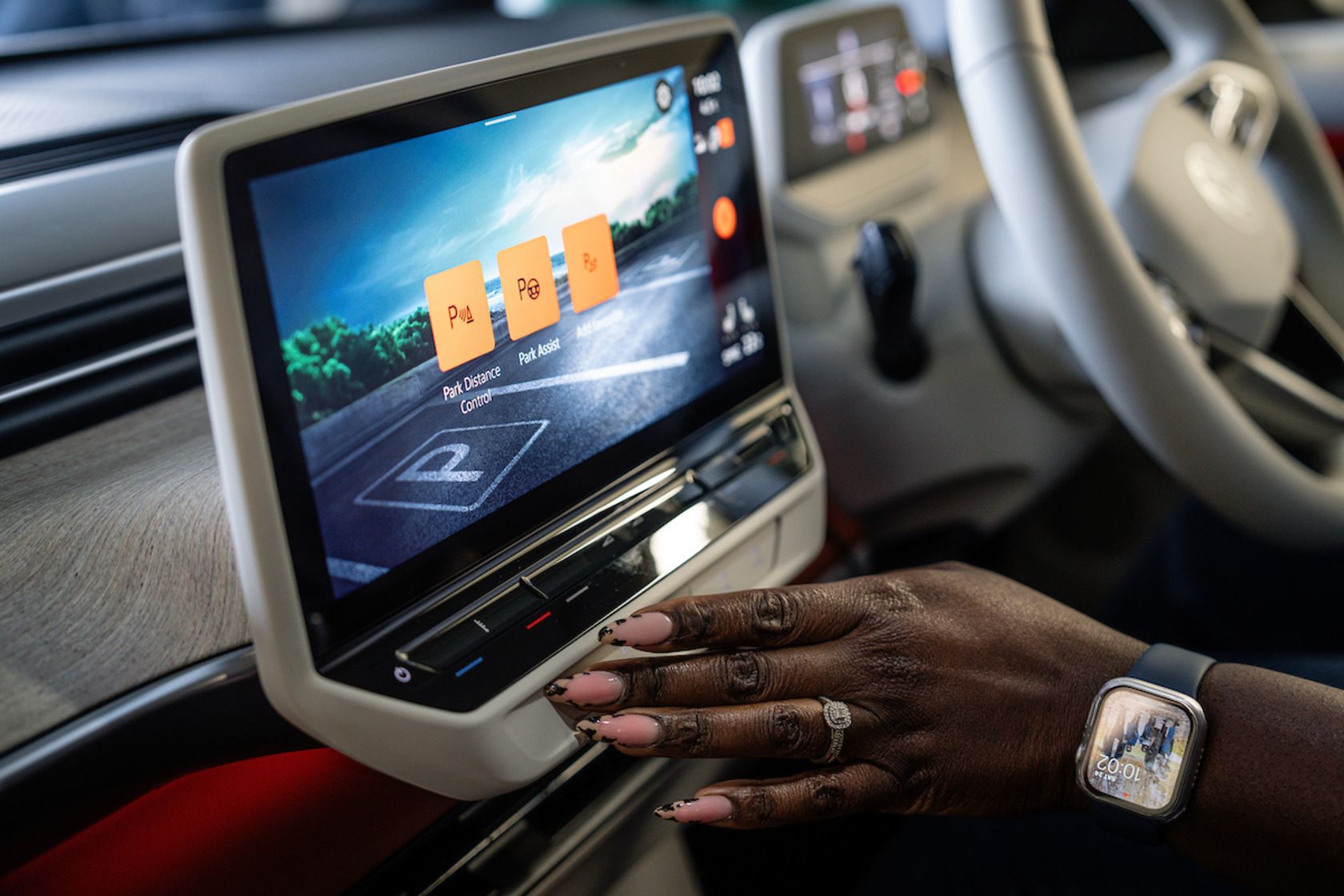
Most sensors combine an audible alert with a visual display to help you nail that parking first time.
Cameras
Similar to sensors, parking cameras have been commonplace on cars for quite a while now. However, they’re far more high-tech than before and many vehicles use high-definition cameras to provide a clear view of the area around the car.
Many vehicles now have a 360-degree camera, which uses feeds from multiple cameras and ‘stitches’ them together to create a wraparound view of the area surrounding the vehicle. Some car models allow you to even tap specific cameras to see a more detailed view, such as a kerbside perspective to help with parallel parking.
Self-park
There’s some level of automation being included in nearly all new cars, but the ability to ‘self-park’ is one which could prove very helpful to a lot of drivers. It’s a feature which has been included in cars for a little while, though there have been breakthroughs in its complexity. Basic systems allow the car to ‘steer’ the vehicle back into a space, with the driver operating the brakes and accelerator. This system uses the cameras to identify a space, check that it’s the right size and then execute the manoeuvre.
On some cars, you can even remotely park a vehicle using its key. Simply line the car up to a space and use the key to remotely roll it back into its bay. It’s a handy feature, particularly when you’re parking somewhere with quite narrow spaces. Some systems, such as Volkswagen’s Park Assist Plus, can even ‘remember’ commonly-used parking routes, such as backing into a garage, and all the driver needs to do is press a button when they’re in the correct spot and the car will park itself.
Rear-wheel steering
While not necessarily designed to help with parking, rear-wheel-steering is something that can help to make things a lot easier for drivers of larger cars. Rear-wheel-steering allows the back wheels to turn in the opposite direction to the fronts when travelling at slower speeds. As a result, this helps to tighten the car’s turning circle which, in turn, will make parking a lot easier.
Then, when you’re travelling more quickly, the rear wheels act ‘as normal’ to help provide stability. It’s a really clever feature and one you’ll find on many high-end, longer vehicles.
Rear-view cameras
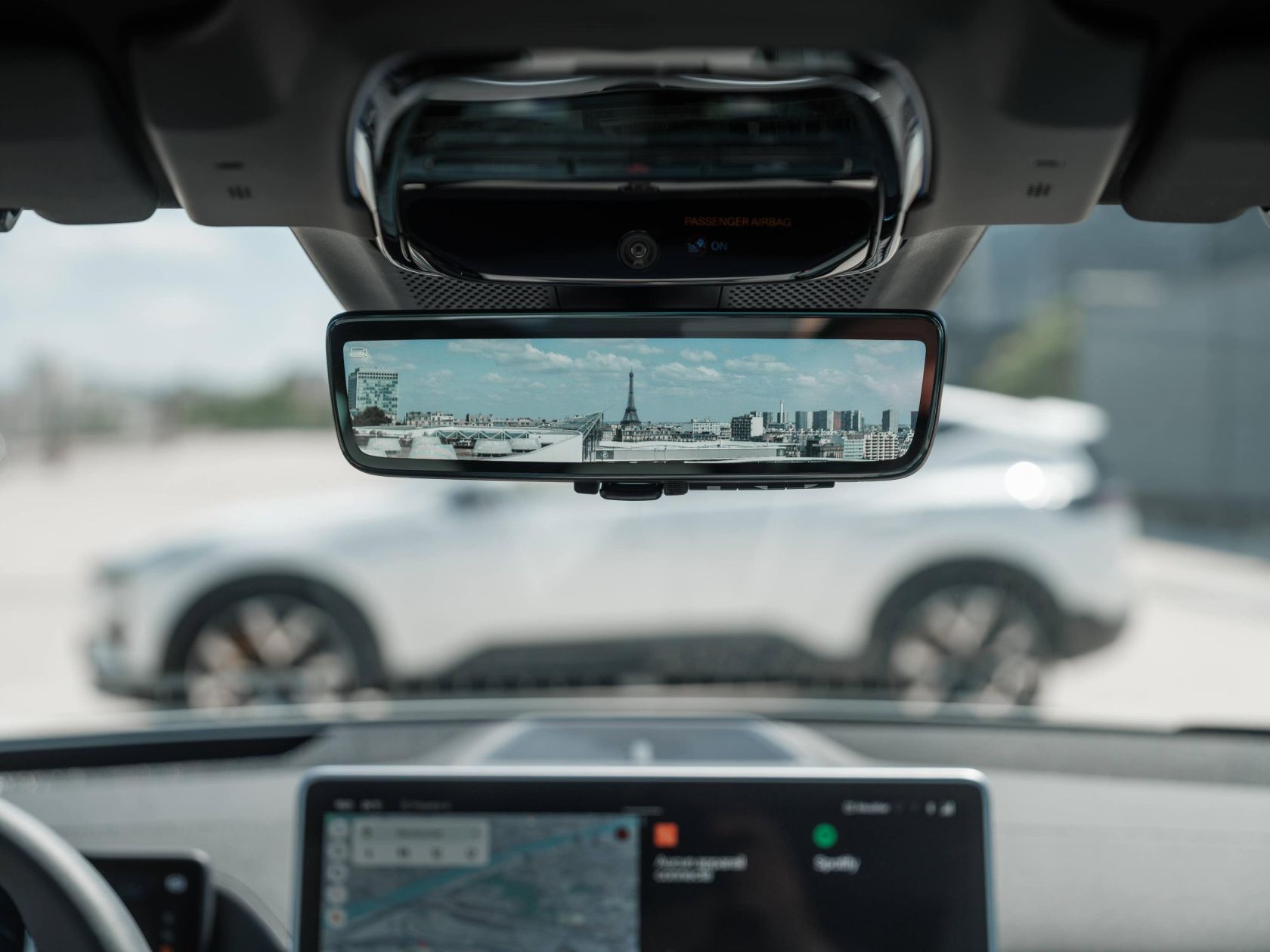
In some cars, the rear-view mirror is being replaced – or sometimes added to – by a rear-view camera. This uses a rear-mounted camera at the back of the car which then relays its image to a screen housed within the rear-view mirror
Available on a number of cars, it’s designed to give a clearer view of the road behind you and could help to make parking a little easier, too.






 English
 Nederlands
 Deutsch
 Français
 Español
 Italiano
 Svenska
 Pусский
 中文
中文 Türkçe
 Português
 Polski
 عربي
عربي Suomi
Suomi עִברִית
 Português (Brasil)