

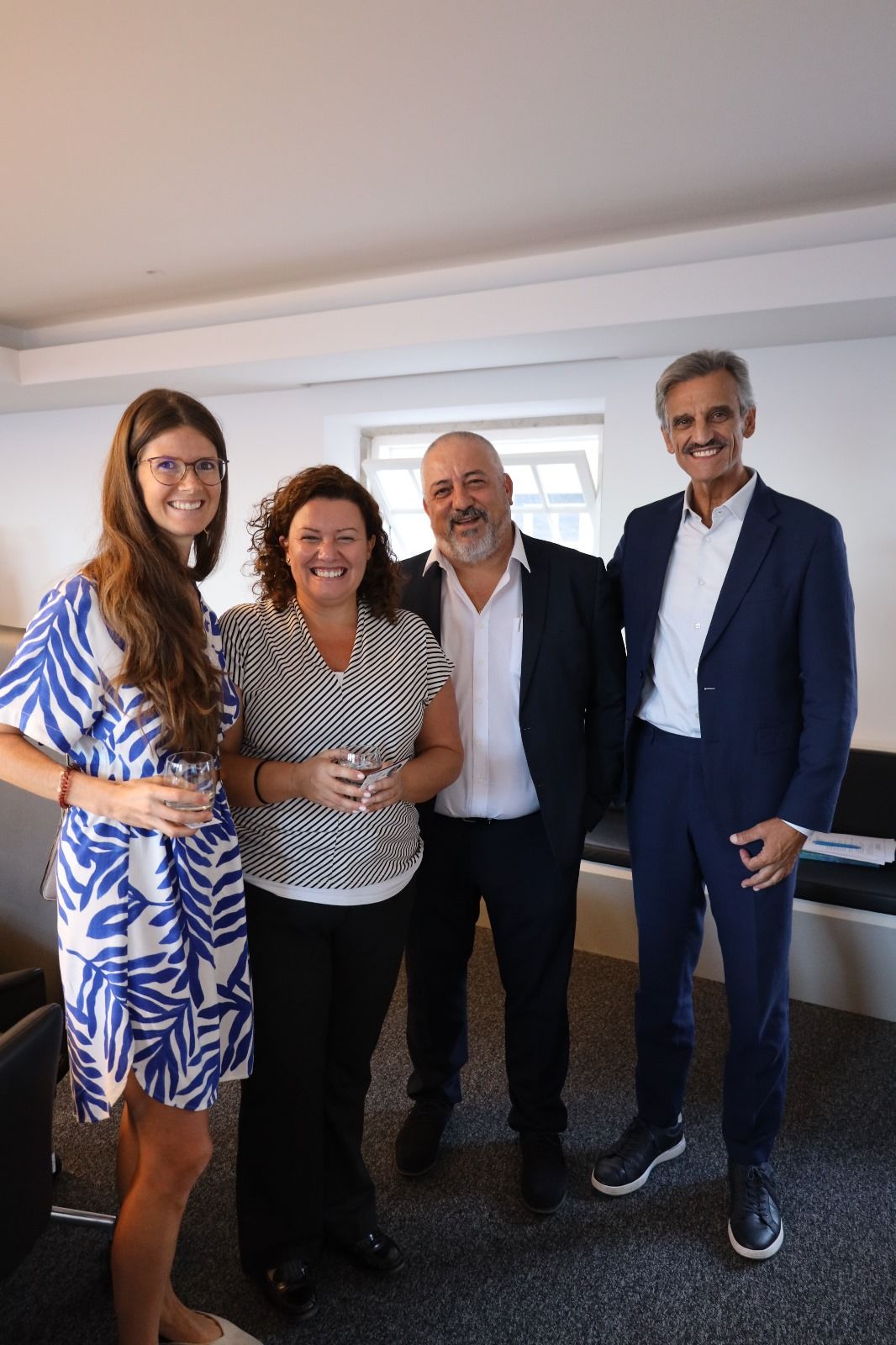
This week was one of the most extraordinary I have experienced in Lisbon, due to the intensity and diversity of the meetings. In a single day I had the opportunity to attend three major events: the forum dedicated to real estate, the celebration of the 95th anniversary of Saudi Arabia's National Day and, in Cascais, the conference on the Blue Economy. It is about the latter that I want to write, because it represented more than an academic or business debate: it was a meeting of extraordinary people working for a sustainable future, from Portugal to the world.
Portugal aspires to become a global leader in the Blue Economy. It is an ambitious goal that requires vision, a clear roadmap and unprecedented collaboration between business, government and education. The potential economic impact is enormous. At the recent World Ocean Economic Summit in Cascais, it was estimated that this emerging industry could expand in Portugal by 30% by 2030. On September 23, 2025, leaders from Fórum Oceano, C2EA and international partners gathered in Cascais to explore how to maximize investments by building bridges with education, financing and entrepreneurship. The hybrid event also featured exchanges with leaders from Sausalito, California’s emerging Blue Economy, including a dialogue on Blue Finance between Lisbon’s IFC specialist and Sausalito’s Band of Angels venture fund. This global-local exchange underscored the unique opportunity Portugal has to lead, if we align our resources and ambition.
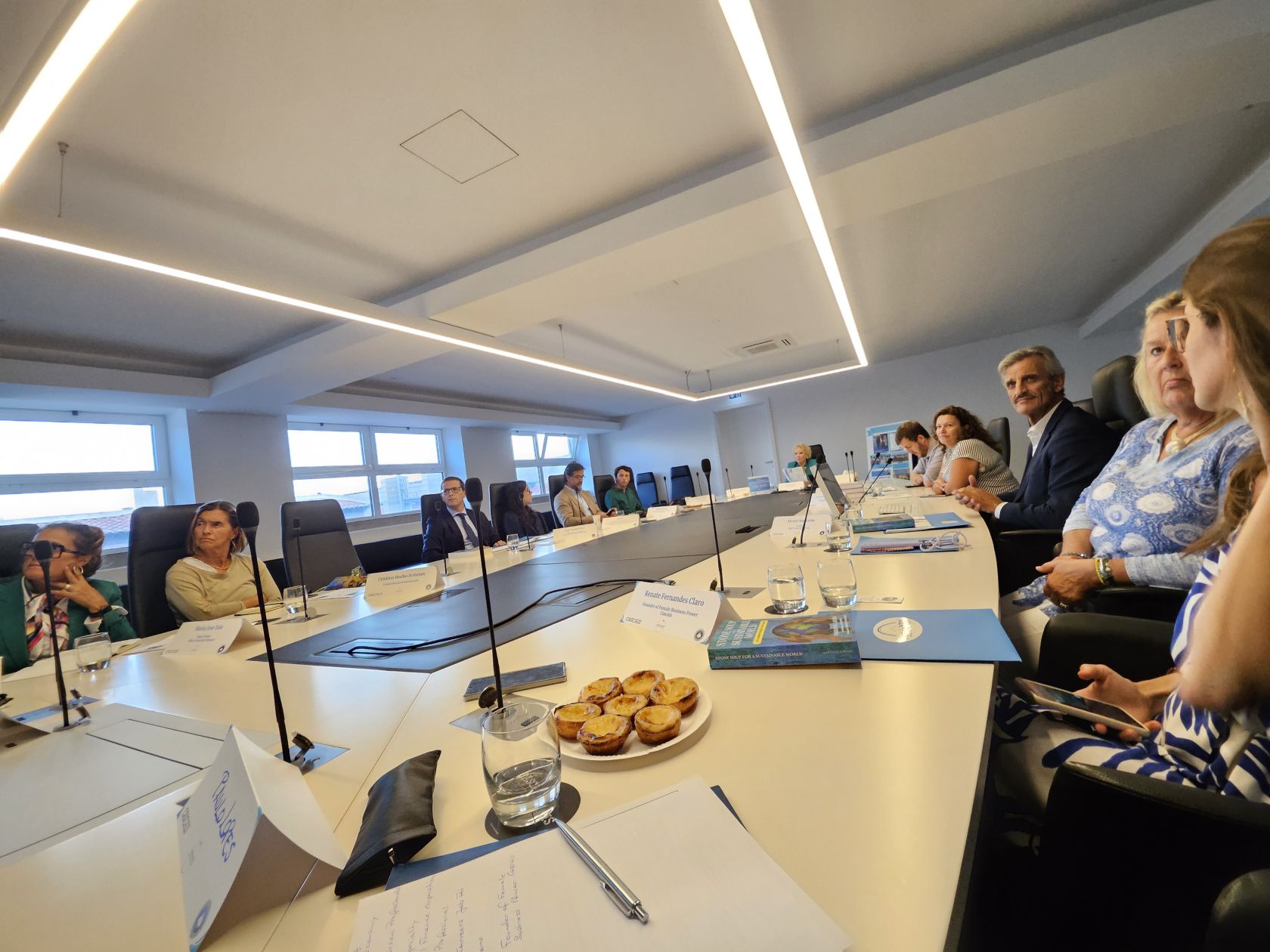
The invitation came through Marianne Larned, best-selling author of the Stone Soup for the World series and founding director of the Stone Soup Leadership Institute. Marianne is an innovative educator and an inspiring voice for sustainability, who has used the Stone Soup model for decades to motivate communities to work together for a more just, equitable and sustainable world. Her presence brought to the event the global vision of someone who has worked with young leaders across the planet, from green inventors to social entrepreneurs, and knows how to transform stories into tools that empower generations.
Another outstanding contribution came from James Ellsmoor, CEO of Island Innovation, an organization that connects island and rural communities around the world to solutions for sustainable development. With his international experience, he showed how islands, so often seen as peripheral, are ultimately at the forefront of innovation in renewable energy and climate adaptation.
The Cascais City Council, represented by Ana Margarida Ferreira, reinforced the local commitment to the sea and to the governance of maritime issues. Cascais has been a pioneer in integrating ocean strategies into its political agenda, and her intervention was further proof that local action can be the driver of major global change.
Also very relevant was the participation of Rodrigo Oliveira, senior manager of Blue Economy projects at Fórum Oceano, the entity that leads the Sea Economy Cluster in Portugal. His presentation clearly showed how the country is positioning itself as a global leader through instruments such as Hub Azul, a network of innovation infrastructures that integrates universities, technology centers and companies, and the Portugal Blue Digital Hub, a digital innovation hub focused on solutions for ocean sustainability. Projects in emerging areas such as marine biotechnology, underwater robotics, health, nautical and offshore renewable energies were also highlighted. It was evident that Portugal combines maritime tradition with a vision of the future, placing itself as a true protagonist of the Blue Economy. Here, more than numbers or reports, there was a clear message: we have the resources, the knowledge and the energy to lead, but we must believe and act.
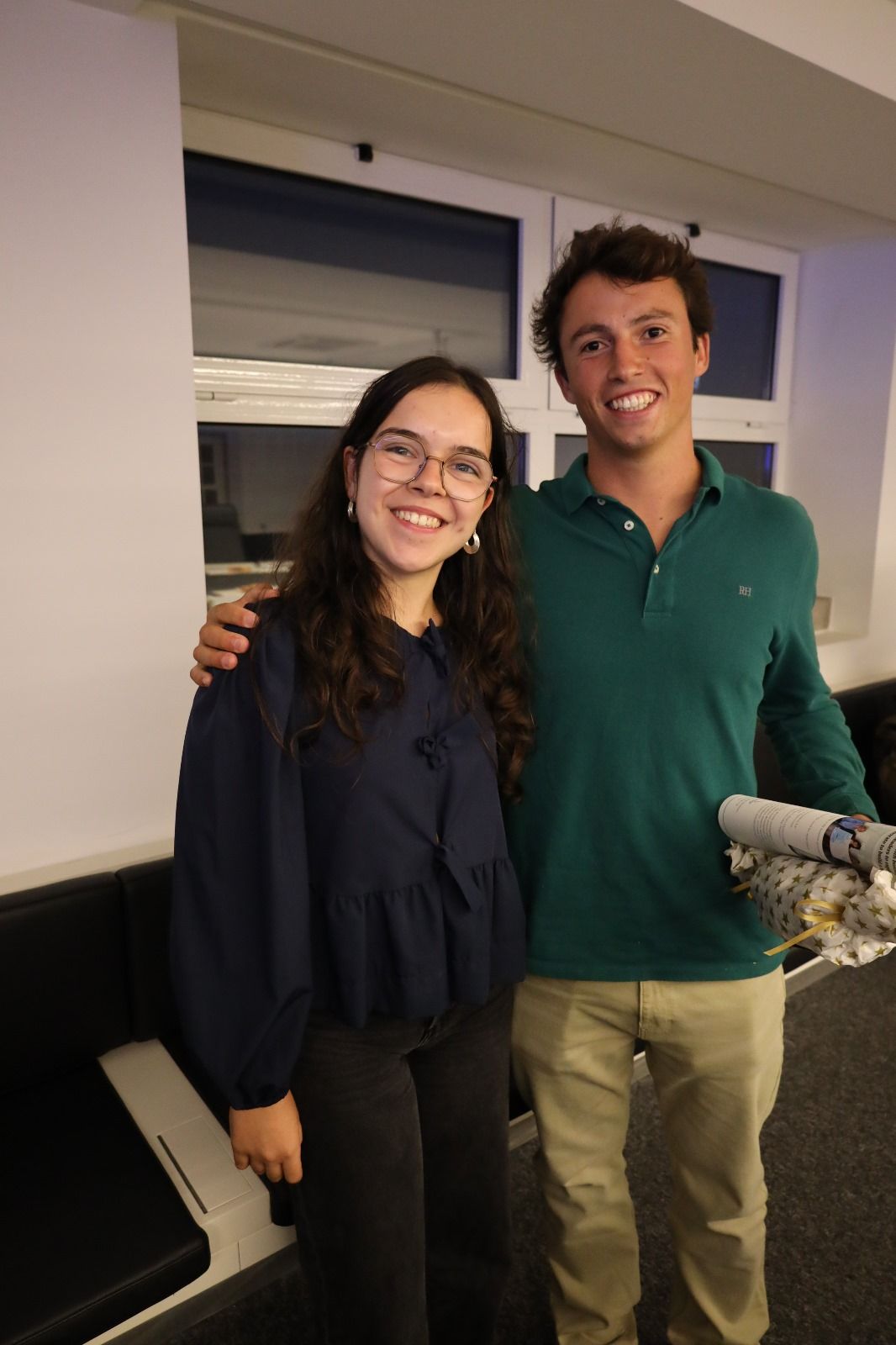
The meeting also gave a stage for financing and the creation of careers for young people. José Gamito Pires, Blue Finance specialist at the International Finance Corporation, presented concrete perspectives on how to mobilize capital for sustainable ocean-related projects. Álvaro Sardinha, through the Blue Careers Job Fair, reinforced the importance of creating bridges between youth and emerging professional opportunities in this sector. It was gratifying to see young people like Miguel Roque, an entrepreneur from Cascais at the head of Volta Adventures, or Ana Rosa Ventura da Silva, a delegate from Terceira Island in the Azores and a management student in Lisbon, defend sustainability and the education of young people with conviction. They are living examples that the next generation is ready to lead, and it is up to us to open doors to them.
In the end, it was clear that the Blue Economy in Portugal is much more than a concept: it is a strategy for the future, with economic, social and environmental impact. It is a sector capable of generating qualified employment, attracting international financing and placing our country at the forefront of global solutions to the challenges of the sea.
I felt truly privileged to be part of this event, especially on a day when the agenda was full with other important commitments. It was a moment of reflection, but also of inspiration, which made me believe even more in the potential of our Blue Economy and in the essential role of youth and funding to achieve it. I left Cascais with a clear conviction: Portugal, with its talents, its resources and its vision, has everything to be a beacon of sustainability in the 21st century. And this future is not just a destination to be reached, it is a path that has already begun, and in which we all have the responsibility to walk together.








 English
 Nederlands
 Deutsch
 Français
 Español
 Italiano
 Svenska
 Pусский
 中文
中文 Türkçe
 Português
 Polski
 عربي
عربي Suomi
Suomi עִברִית
 Português (Brasil)